 English
 العربية
 Deutsch
 Español
 Français
 עברית
עברית
 हिन्दी
 Italiano
 Bahasa Indonesia
 日本語
日本語
 한국어
한국어
 Nederlands
 Polski
 Português
 Русский
 Svenska
 Türkçe
 ไทย
ไทย
 Tiếng Việt
 中文
中文
The Atlas Mountains
Where ancient Berber culture meets the sky in a breathtaking display of nature's grandeur.
Morocco's Majestic Spine
Stretching over 2,500 kilometers across Morocco, Algeria, and Tunisia, the High Atlas range in Morocco contains some of the most spectacular and accessible mountain scenery on the continent. Dominating the skyline is Jebel Toubkal, standing as North Africa's highest peak at 4,167 meters.
These mountains are more than just rock and snow; they are the cultural heartland of Morocco's **Amazigh (Berber)** people. Traditional mud-brick villages cling to vertiginous mountainsides, ancient irrigation systems transform arid valleys into lush gardens, and centuries-old mule trails connect remote settlements, offering visitors an authentic glimpse into a way of life that has endured for millennia.

Biodiversity & Nature
Discover the unique flora and fauna that thrive in high altitudes.
Barbary Macaque
The only primate species found north of the Sahara. These endangered monkeys typically inhabit cedar forests in the Middle Atlas but can also be spotted in the High Atlas valleys.
Best seen in Ifrane & Azrou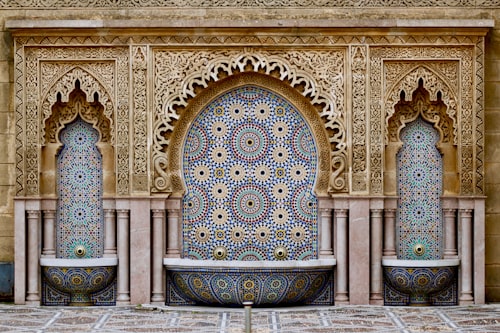
Atlas Cedar
These majestic conifers are endemic to the Atlas Mountains. Growing up to 35 meters tall, they provide essential habitat and have been used for centuries in Moroccan architecture.
Symbol of ResilienceTop Atlas Mountains Experiences
Discover unforgettable activities in Morocco's majestic mountain range.
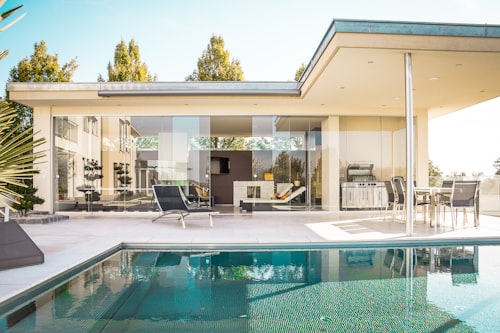
Mount Toubkal Summit
Conquer North Africa's highest peak on a 2-3 day trek. The challenging but rewarding climb offers breathtaking panoramic views across the Atlas range.

Berber Village Homestay
Experience authentic Berber hospitality with an overnight stay in a mountain village. Share traditional meals, learn about local life, and sip mint tea with locals.
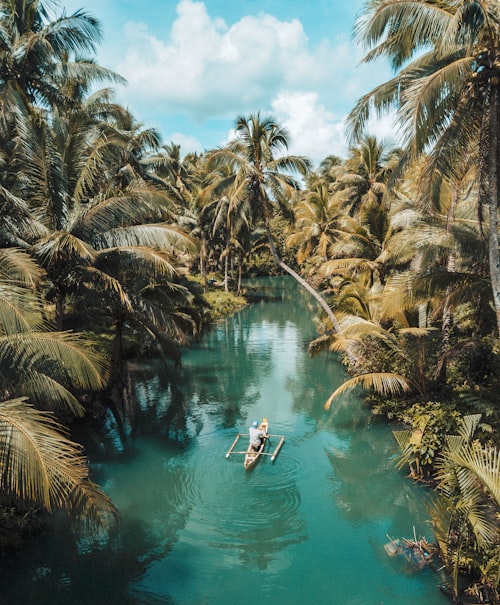
Ourika Valley Day Trip
Explore the lush Ourika Valley with its waterfalls, terraced fields, and traditional villages. A perfect introduction to the Atlas, just an hour from Marrakech.
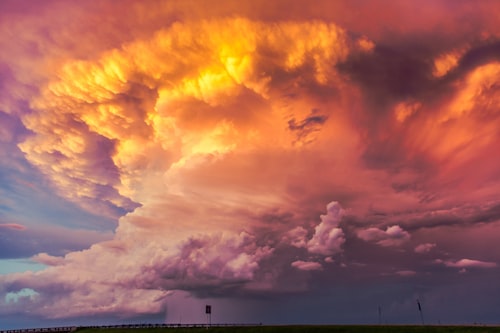
Ait Benhaddou
Discover this UNESCO World Heritage site, a spectacular fortified village that has featured in numerous films including Gladiator and Game of Thrones.
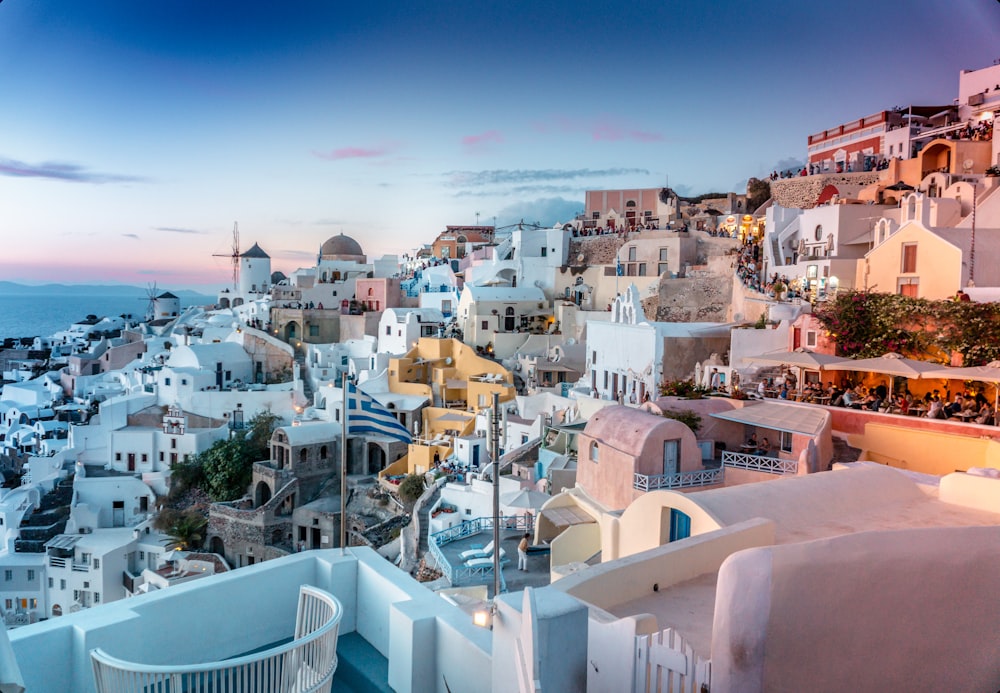
Tizi n'Tichka Pass
Journey through North Africa's highest mountain pass at 2,260 meters, connecting Marrakech to the Sahara. The winding roads offer dizzying and dramatic views.
Mountain Biking
Explore mountain trails on two wheels. From adrenaline-pumping downhills to scenic cross-country routes, there's something for every skill level.

The Soul of the Atlas: Amazigh Culture
The Atlas Mountains are home to the **Amazigh** (Berber) people, the indigenous inhabitants of North Africa. Their culture, language, and traditions have survived for thousands of years, adapted perfectly to the mountain environment.
Visitors are often struck by the warm hospitality (expect endless glasses of mint tea!), the vibrant geometric designs in carpets and jewelry, and the communal way of life.
Cultural Highlights
- **Ahwach:** Collaborative village music and dance performances.
- **Kasbahs:** Fortified earthen architecture unique to the region.
- **Weekly Souks:** Vibrant markets serving as social hubs for villagers.
When to Visit
The Atlas Mountains are a year-round destination, but the experience changes with the seasons.
Spring
March - May
The best time for trekking. Valleys are lush and green, wildflowers are in bloom, and rivers are flowing.
Summer
June - August
Hot days but cooler than the cities. High-altitude trekking (like Toubkal) is ideal to escape the heat.
Autumn
Sept - Nov
Stable weather and clear skies. The changing colors of the walnut trees make it visually stunning.
Winter
Dec - Feb
Cold with snow above 2000m. For experienced winter mountaineers or cozy fireside stays.
Practical Information
Essential tips for your adventure.
Getting There
- • Imlil (main trekking hub) is 1.5 hours (65km) from Marrakech.
- • Grand Taxis depart from near Sidi Mimoun in Marrakech.
- • Private transfers are available for comfort (approx. 300-400 MAD).
Mountain Safety
- • Always hire an official guide for high-altitude treks.
- • Stay hydrated to prevent altitude sickness (AMS).
- • Pack layers; weather changes rapidly in the mountains.
Frequently Asked Questions
Do I need a guide to hike Mount Toubkal?
Is it safe for solo female travelers?
What should I wear?
Atlas Mountains Gallery
A visual journey through the peaks.